Animals in Entertainment and Public Display
1. Identify
Understand how animals are used within entertainment, sport, and leisure, and the welfare implications behind these practices.
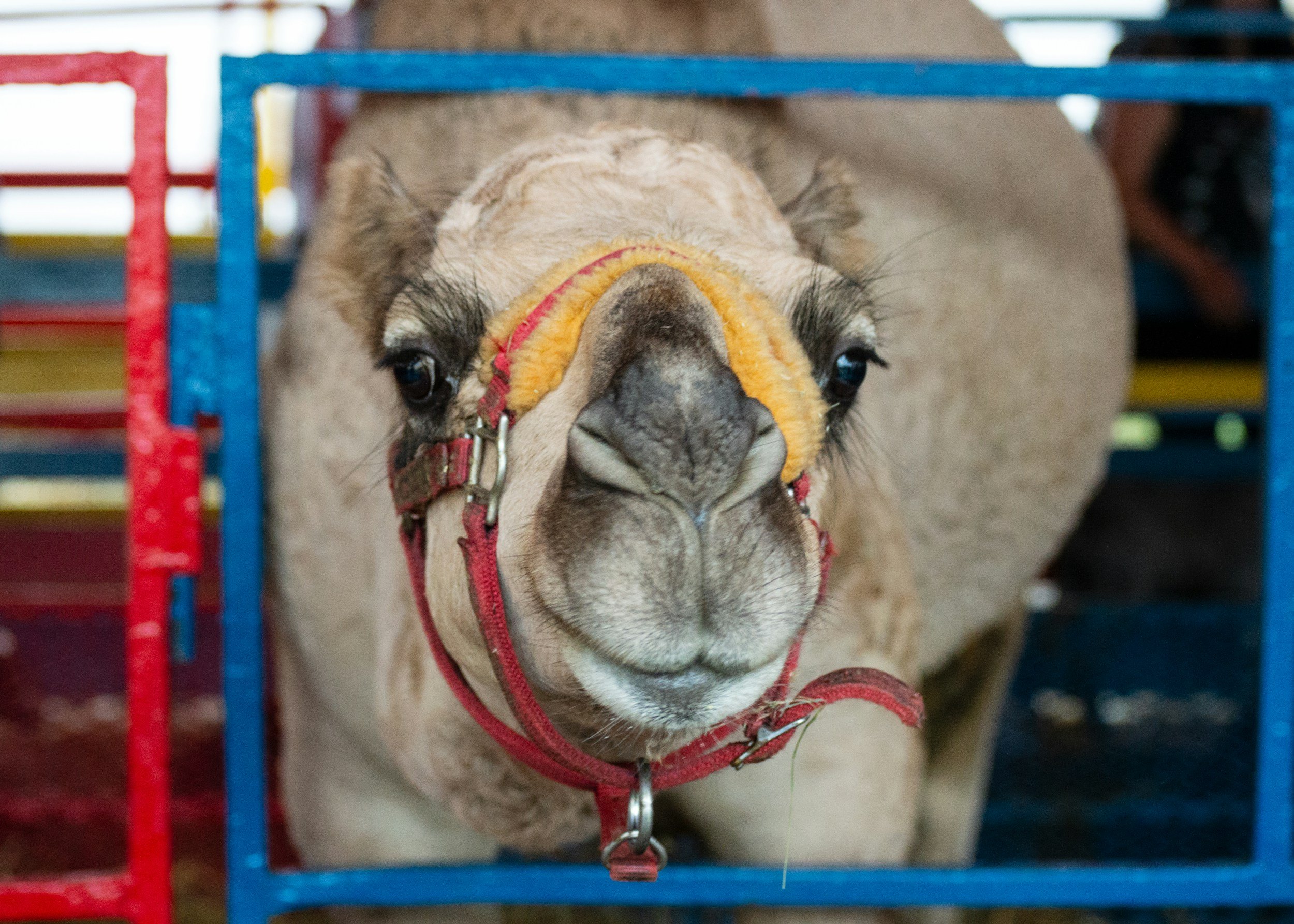
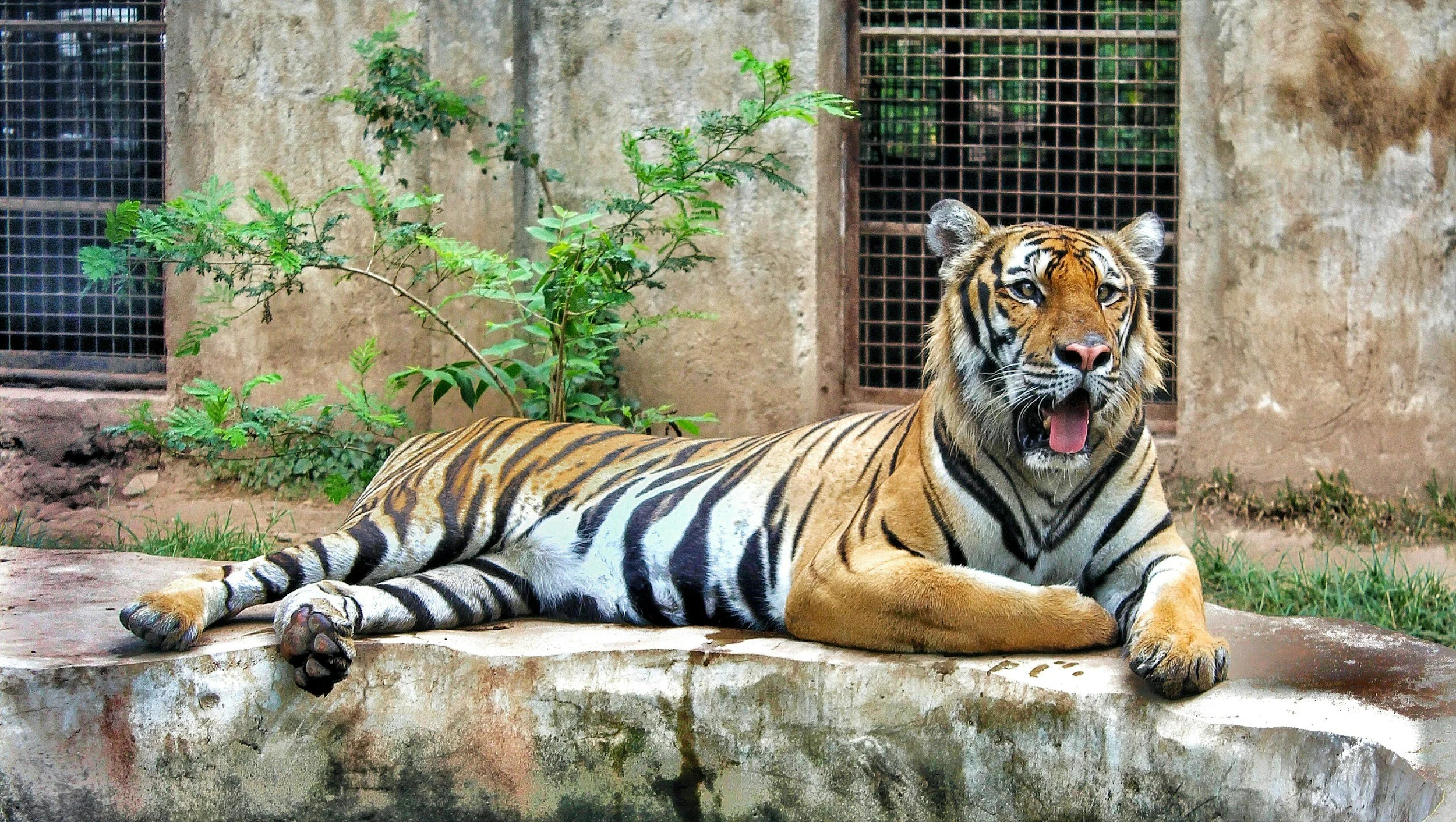
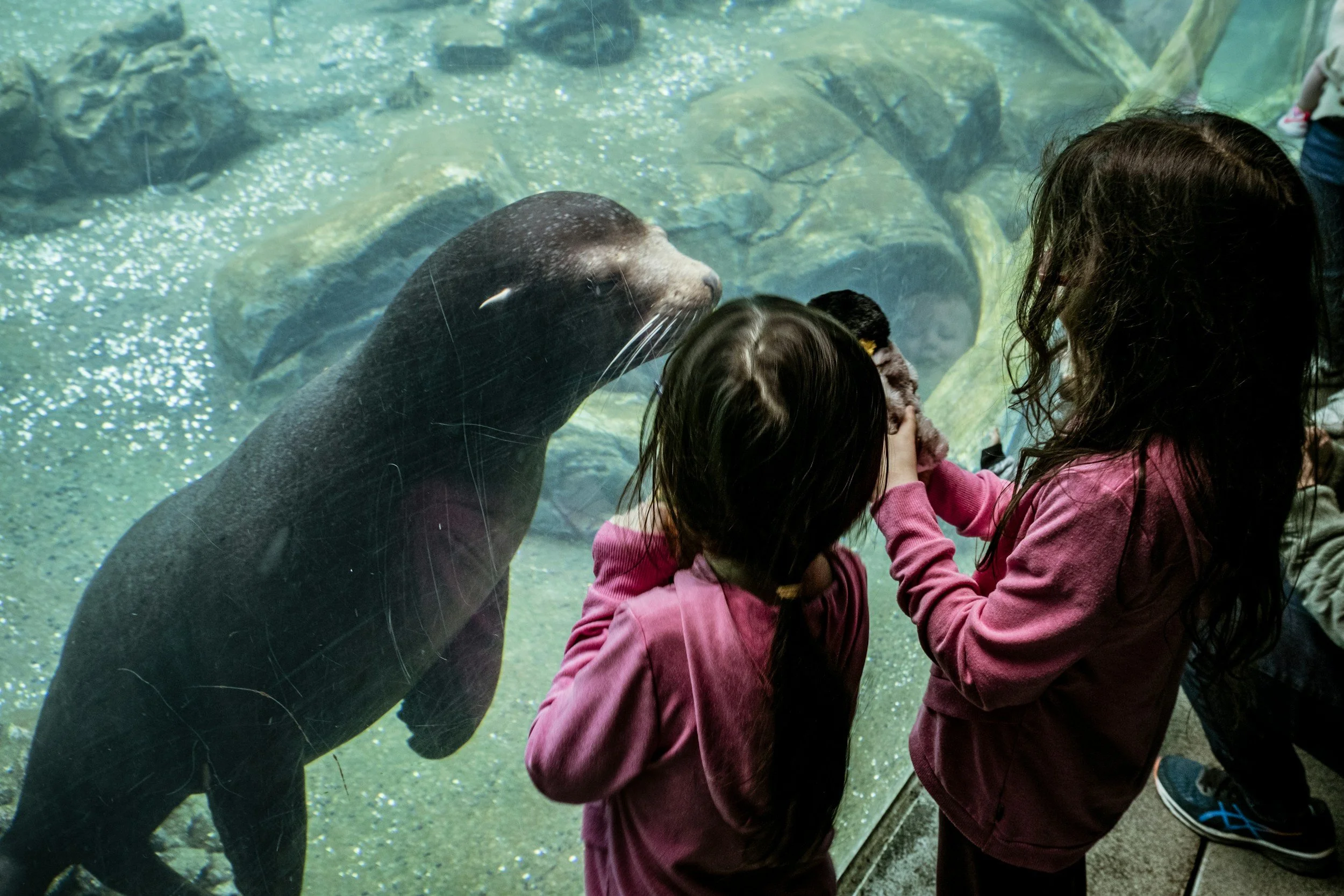
Captive attractions
Animals in zoos, aquariums, marine parks, and wildlife attractions may experience:
Restriction of natural movement and ranging behaviours
Limited opportunities to engage in natural hunting, foraging, or social activities
Stress associated with confinement and artificial environments
Separation from natural family or social groups
Dependence on humans for all aspects of life
Physical and psychological stress linked to training or conditioning methods
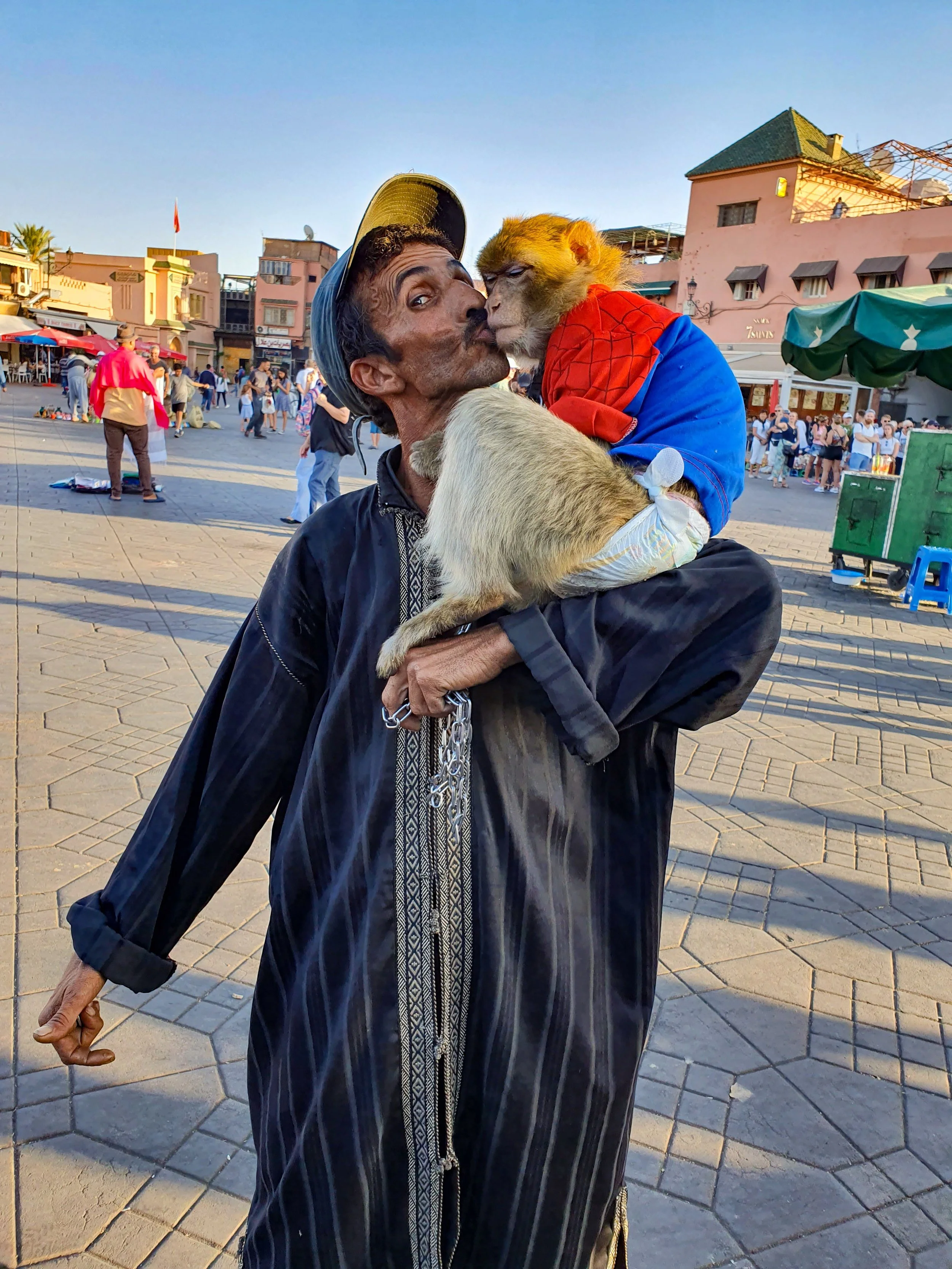
Animal performances
Animals used in circuses, shows, films, and demonstrations may experience:
Training for behaviours that do not occur naturally and methods that rely on coercion, fear, or physical control
Stress from unfamiliar environments, bright lights, and unpredictable crowds
Frequent transport between locations and conditions that restrict movement and cause distress
Confinement when not performing
Lifelong confinement outside natural habitats
Separation from natural social groups
Stress associated with handling and performance expectations
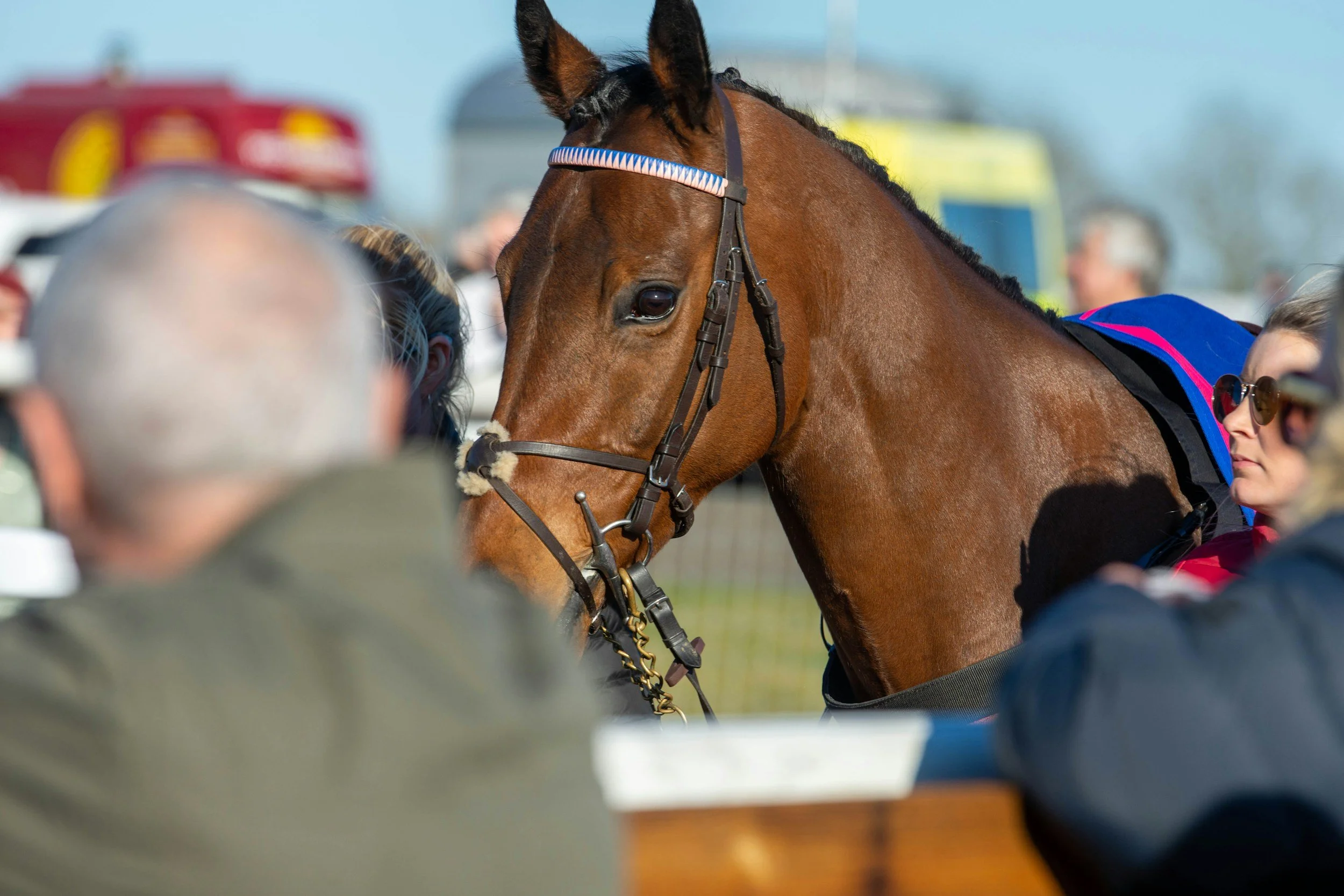
Racing and sporting activities
Animals used in horse racing, greyhound racing, rodeos, and similar activities may experience:
Intensive training regimes
Risk of injury during competition
Physical strain associated with performance demands
Pressure to perform for commercial or entertainment purposes
Retirement, rehoming, or placement challenges when no longer competitive
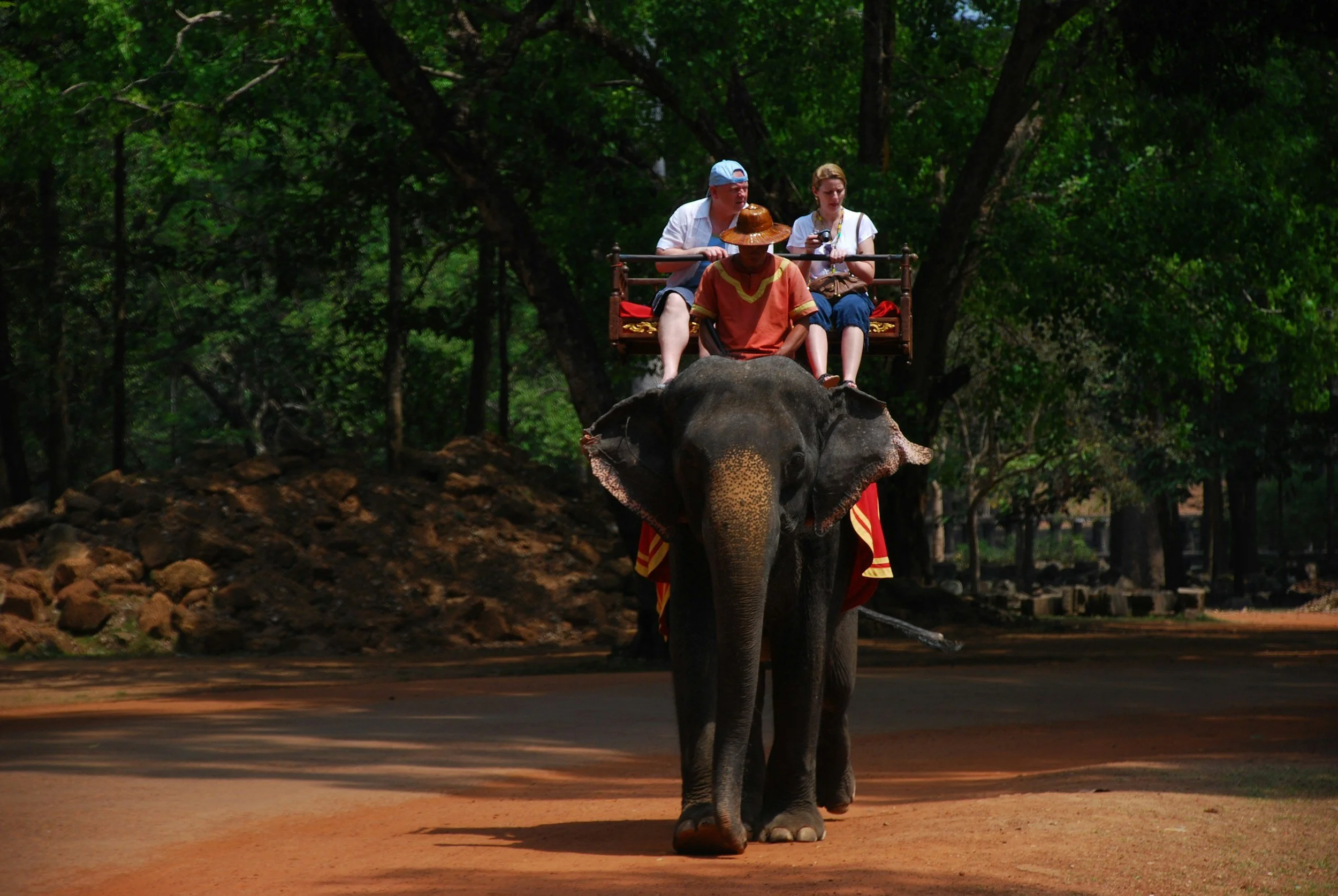
Animal tourism and encounters
Tourist attractions involving direct interaction with animals may involve:
Use of animals for photographs, rides, or entertainment
Restriction of natural behaviours
Frequent contact with large numbers of people
Stress caused by handling and close human interaction
Welfare standards that vary significantly between operators
2. Reflect
Consider what this means in relation to your own choices.
How do I feel knowing some animals may experience stress, confinement, or injury for human entertainment?
Have I considered what life might be like from the animal's perspective?
Do I view animals primarily as beings with their own interests, or as sources of enjoyment for people?
Would I feel differently if I witnessed the training, housing, or transport conditions directly?
How much importance do I place on freedom, choice, and natural behaviour for animals?
Do my entertainment choices align with my values around compassion and reducing harm?
Are there forms of animal entertainment that I feel comfortable supporting? Why?
3. Decide
Consider what steps feel realistic and meaningful for you.
Possible actions:
Research animal welfare standards before visiting attractions
Choose wildlife experiences that observe animals in their natural habitats
Support accredited best-practice sanctuaries and rescue centres rather than performance-based attractions
Learn more about the welfare needs of different species
Consider alternatives to entertainment that relies on captive or performing animals
Discuss animal welfare issues with friends and family
Make conscious choices about which attractions, events, and activities you support
Continue reflecting on the role animals should play in human entertainment