Animals in Fashion, Commerce and Consumer Choice
1. Identify
Understand how animals are used in the production of clothing, consumer goods, and commercial products, and the welfare implications behind these industries.
Fur, leather, and animal-derived materials
Animals used for clothing and accessories may experience:
Confinement in farming or production systems
Restriction of natural behaviours and movement
Physical and psychological stress associated with handling
Transport conditions that cause fear, injury, or exhaustion
Slaughter for the production of fur, leather, skins, or other materials
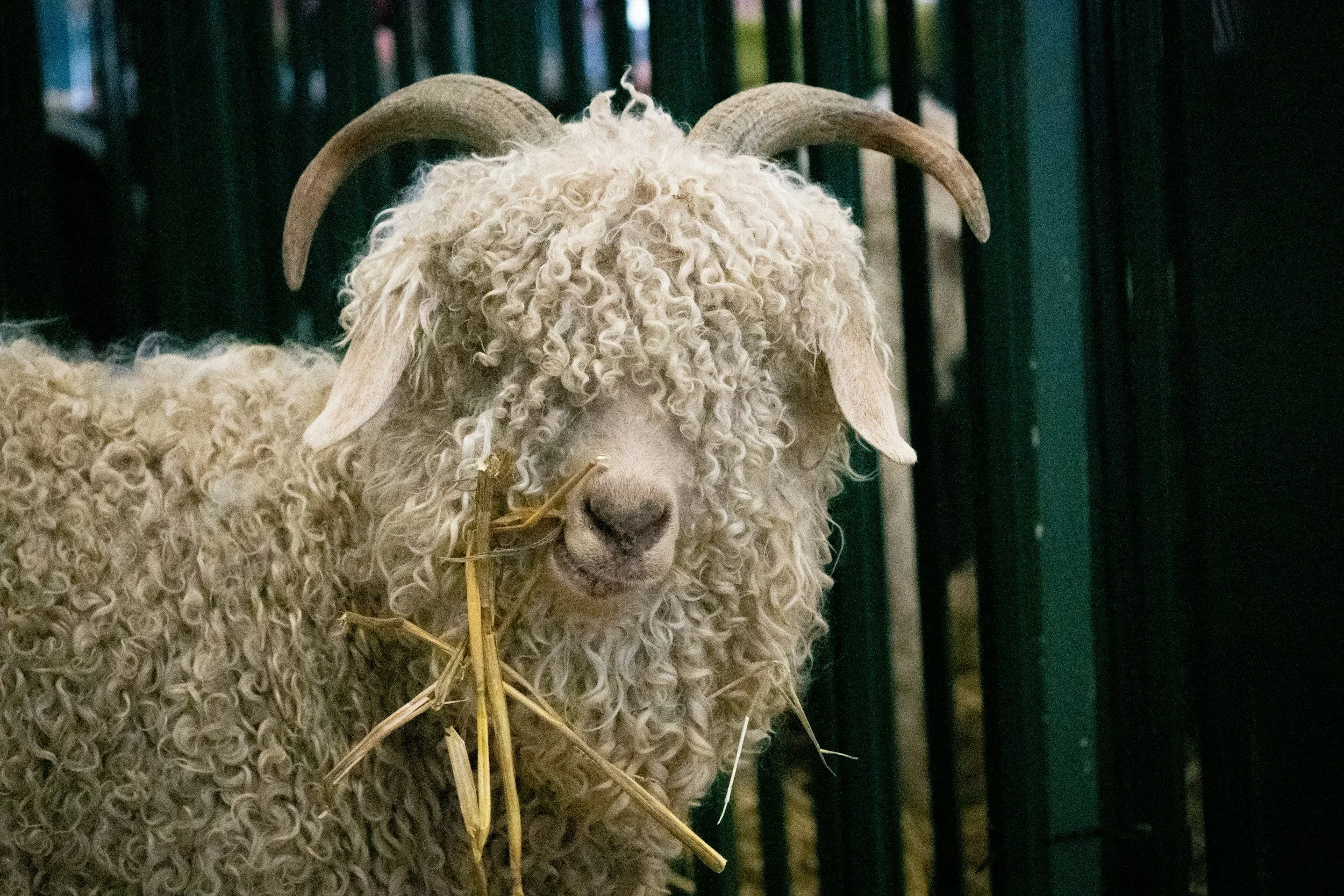
Wool and fibre production
Animals used for wool and other fibres may experience:
Intensive breeding to maximise production
Physical strain associated with excessive fibre growth
Stress or injury during handling, shearing, or management procedures
Exposure to environmental conditions that affect wellbeing
Health problems linked to commercial production demands
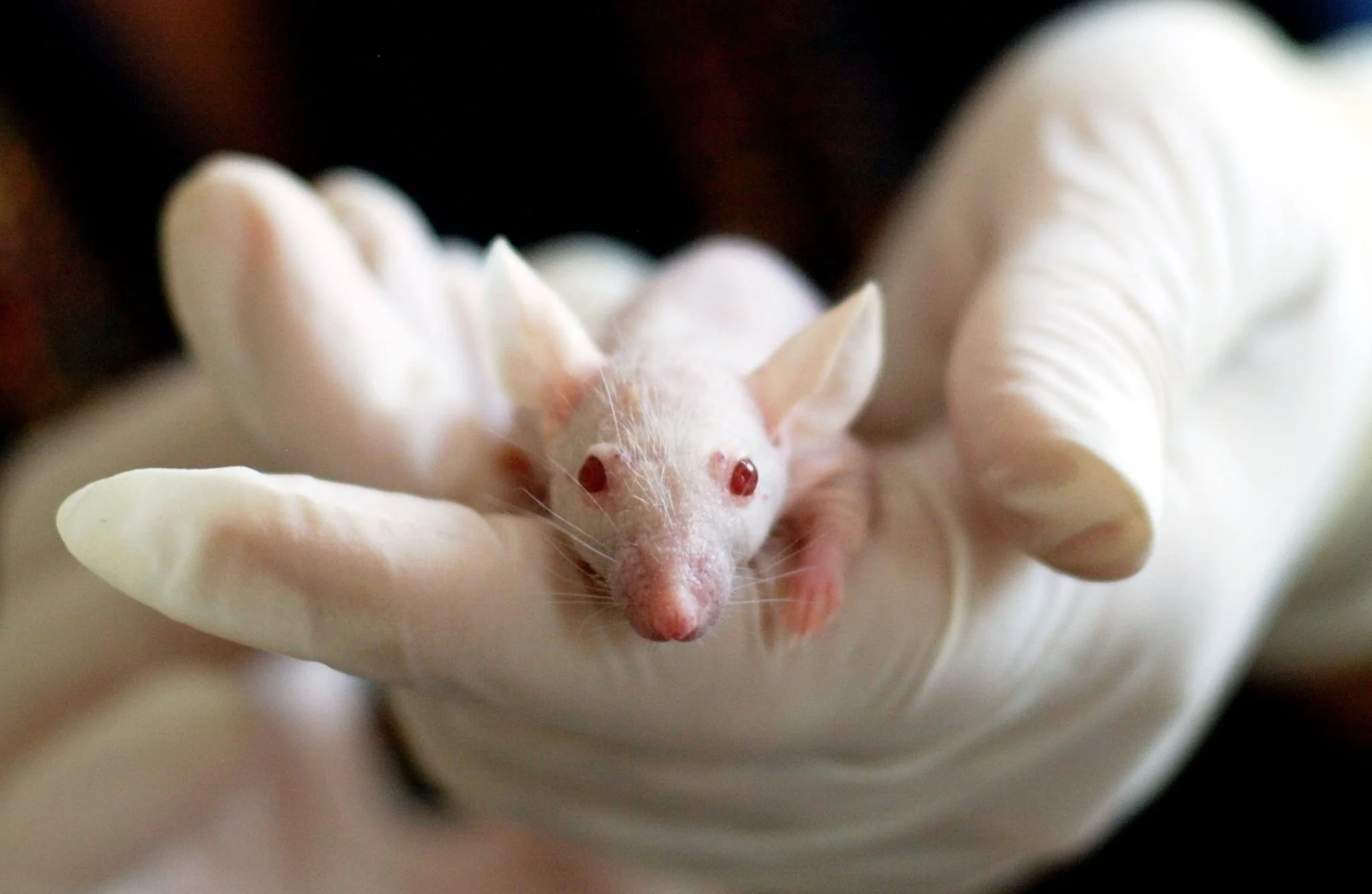
Cosmetics and household products
The development of consumer products may involve:
Animal testing to assess safety or effectiveness
Procedures that can cause discomfort, distress, or injury
Confinement within testing facilities
Repeated exposure to substances being evaluated
Use of animals where alternative methods may or may not be available
Commercial breeding and production
Animals used within commercial industries may experience:
Selection for traits that maximise productivity rather than welfare
Living conditions designed primarily around efficiency
Limited control over their environment and daily lives
Physical demands associated with intensive production systems
Reduced quality of life where welfare standards are inadequate
Marketing and commercial promotion
Animals used to promote products, services, or brands may experience:
Frequent handling and transport
Exposure to unfamiliar environments and situations
Training for commercial purposes
Stress associated with repeated public interaction
Welfare impacts resulting from performance expectations
2. Reflect
Consider what this means in relation to your own choices.
Have I considered how the products I buy may affect animals?
How important is it to me that commercial products are produced with animal welfare in mind?
Do I understand where common materials such as leather, wool, fur, and animal-derived ingredients come from?
What factors influence my purchasing decisions most strongly?
Would greater awareness change the products I choose to buy?
How do I balance convenience, cost, quality, and ethical considerations?
Do my purchasing habits align with my values around compassion and reducing harm?
3. Decide
Consider what steps feel realistic and meaningful for you.
Possible actions:
Learn more about how animal-derived products are produced
Check labels and product information before purchasing
Explore alternatives to fur, leather, and other animal-derived materials
Choose products certified as not tested on animals where available
Support companies with transparent animal welfare policies
Reduce unnecessary consumption and buy more consciously
Research the welfare implications of products before purchasing
Continue reflecting on how consumer choices influence animal welfare
Every purchase sends a signal about the kinds of products and practices we choose to support. Greater awareness can help us make decisions that more closely reflect our values and our relationship with other living beings.