
Food Choices, Farming and Animal Welfare
1. Identify
Understand the welfare realities behind the food systems we rely on every day.
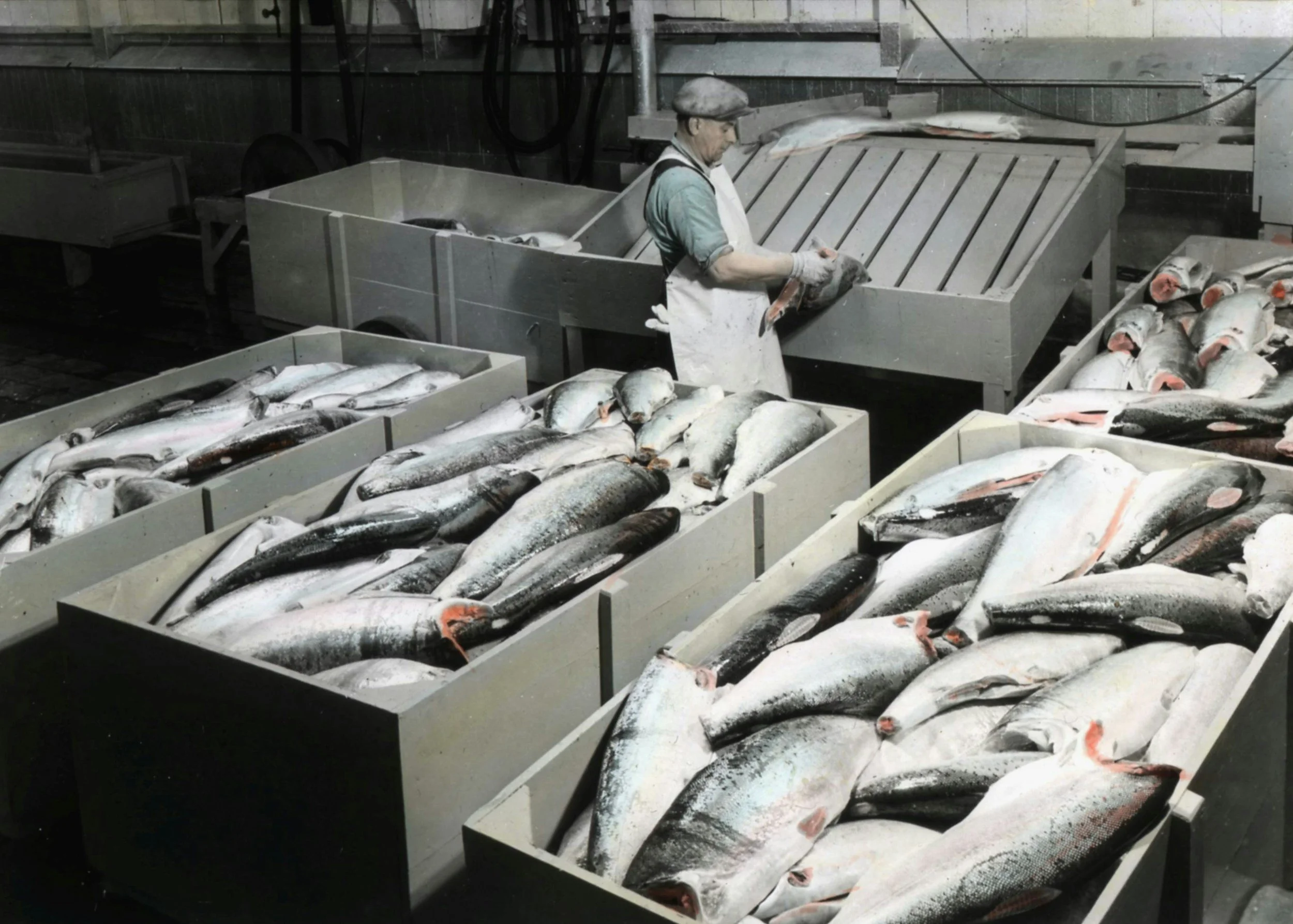
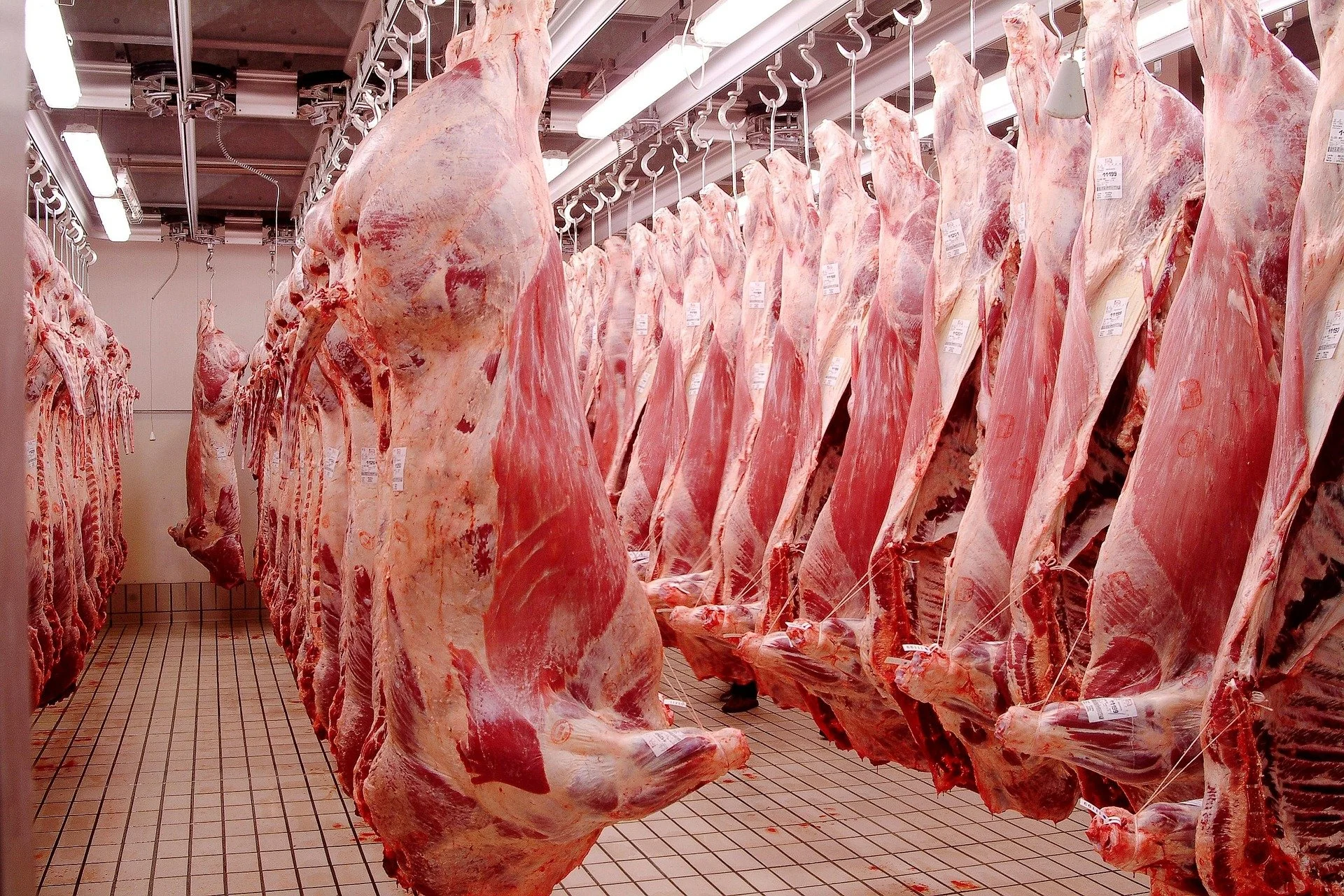
Meat production
Animals raised for meat may experience:
Confinement and overcrowding in intensive systems
Selective breeding for rapid growth, often causing health problems
Limited ability to express natural behaviours
Stress, fear, and injury during handling and transport
Slaughter processes involving fear, distress, and loss of life
Dairy production
Dairy systems can involve:
Repeated impregnation of cows to maintain milk production
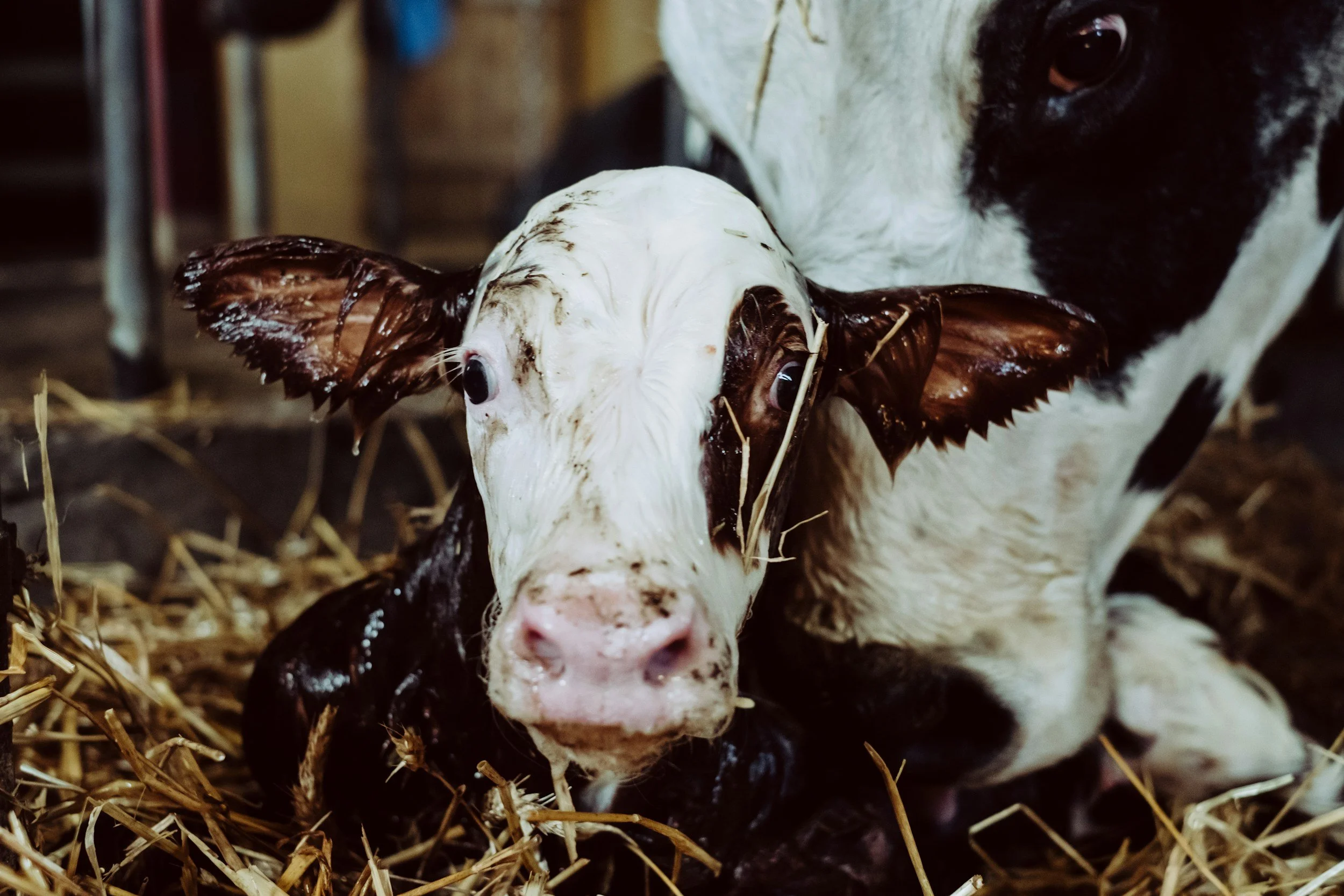
Separation of calves from their mothers shortly after birth
Emotional and social stress for both cow and calf
High-output breeding leading to physical strain and mastitis
End-of-life slaughter when production declines
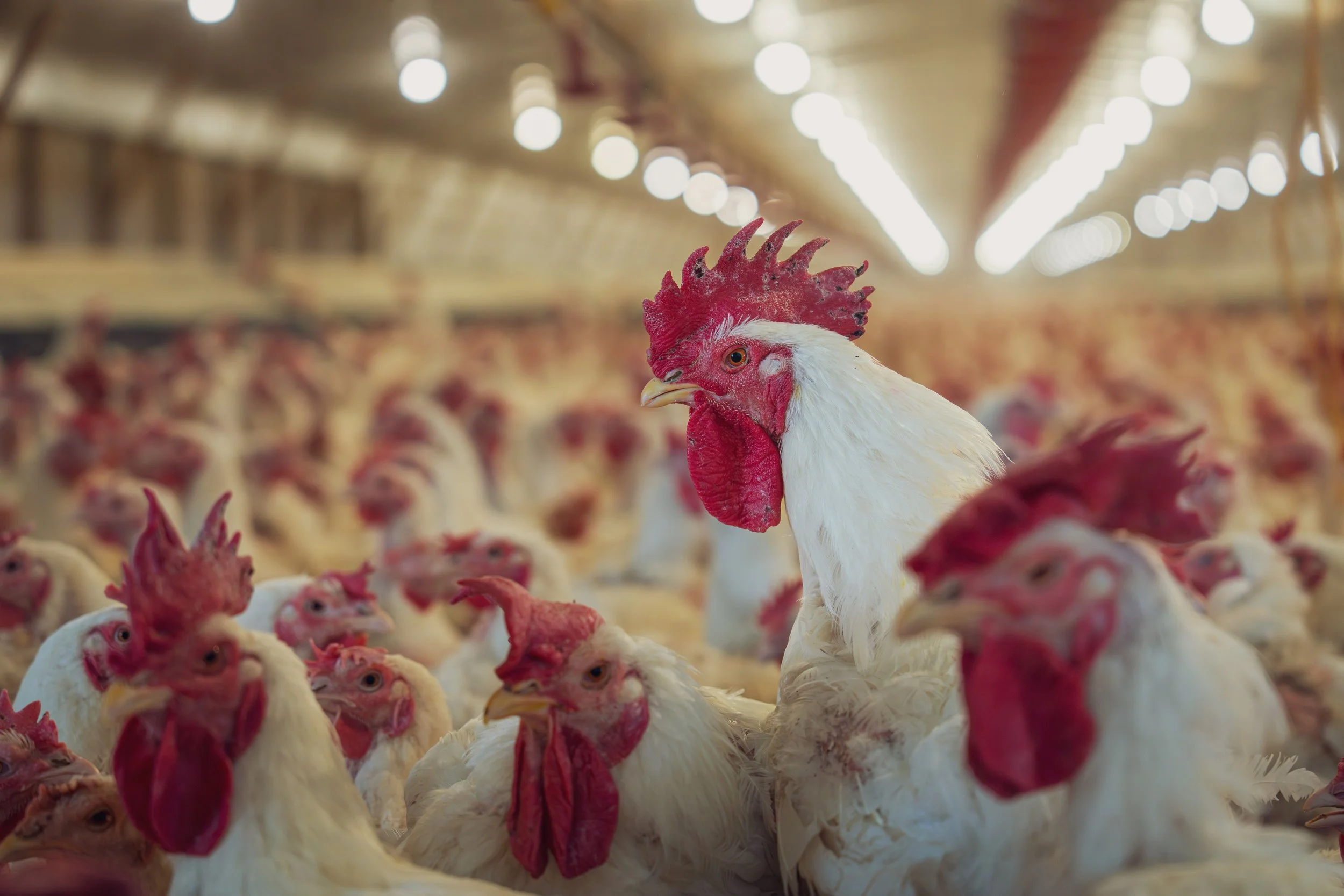
Egg production
Egg farming may involve:
High-density housing in caged or barn systems
Prevention of natural behaviours such as nesting and roaming
Routine culling of male chicks in some systems
Physical stress from high egg-laying demand in hens
Shortened lifespans compared to natural expectancy
2. Reflect
Consider what this means in relation to your own choices.
How do I feel knowing sentient animals may experience fear, stress, and suffering within food systems?
Have I fully considered where meat, dairy, and eggs come from?
Do convenience, habit, or tradition influence my food choices more than awareness?
Is the use of animals for food necessary in my life, or simply familiar?
Would my choices change if I witnessed these systems directly?
Do my actions align with my values around compassion and reducing harm?
3. Decide
Consider what steps feel realistic and meaningful for you.
Possible actions:
Reduce overall consumption of animal products
Start with one or two plant-based meals per week
Replace dairy with plant-based alternatives (oat, soy, almond, etc.)
Explore plant-based proteins such as beans, lentils, tofu, and grains
Choose higher welfare or certified products where available
Learn more about food systems and animal welfare
Make gradual, sustainable changes rather than all-or-nothing decisions
A Question Worth Considering
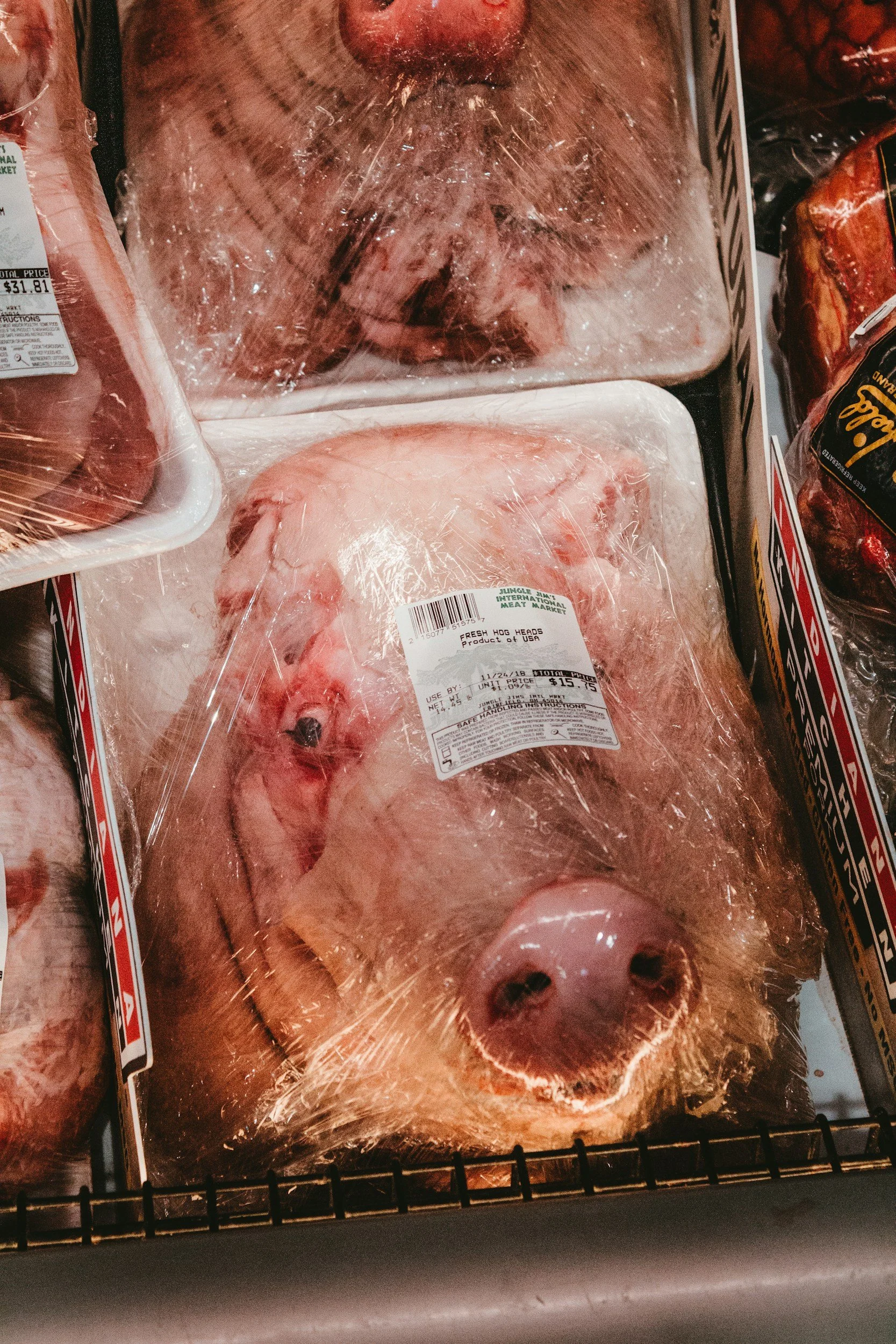
We readily accept that some animals may be killed for food, while considering it unthinkable to kill others. But what is the basis for that distinction?
This short video invites us to examine that assumption and consider whether the reasons we give for eating some animals would stand up if we looked at the question from another perspective.