Research, Science & Education
1. Identify
Understand how animals are used in research, science, and education - and the welfare implications behind these practices
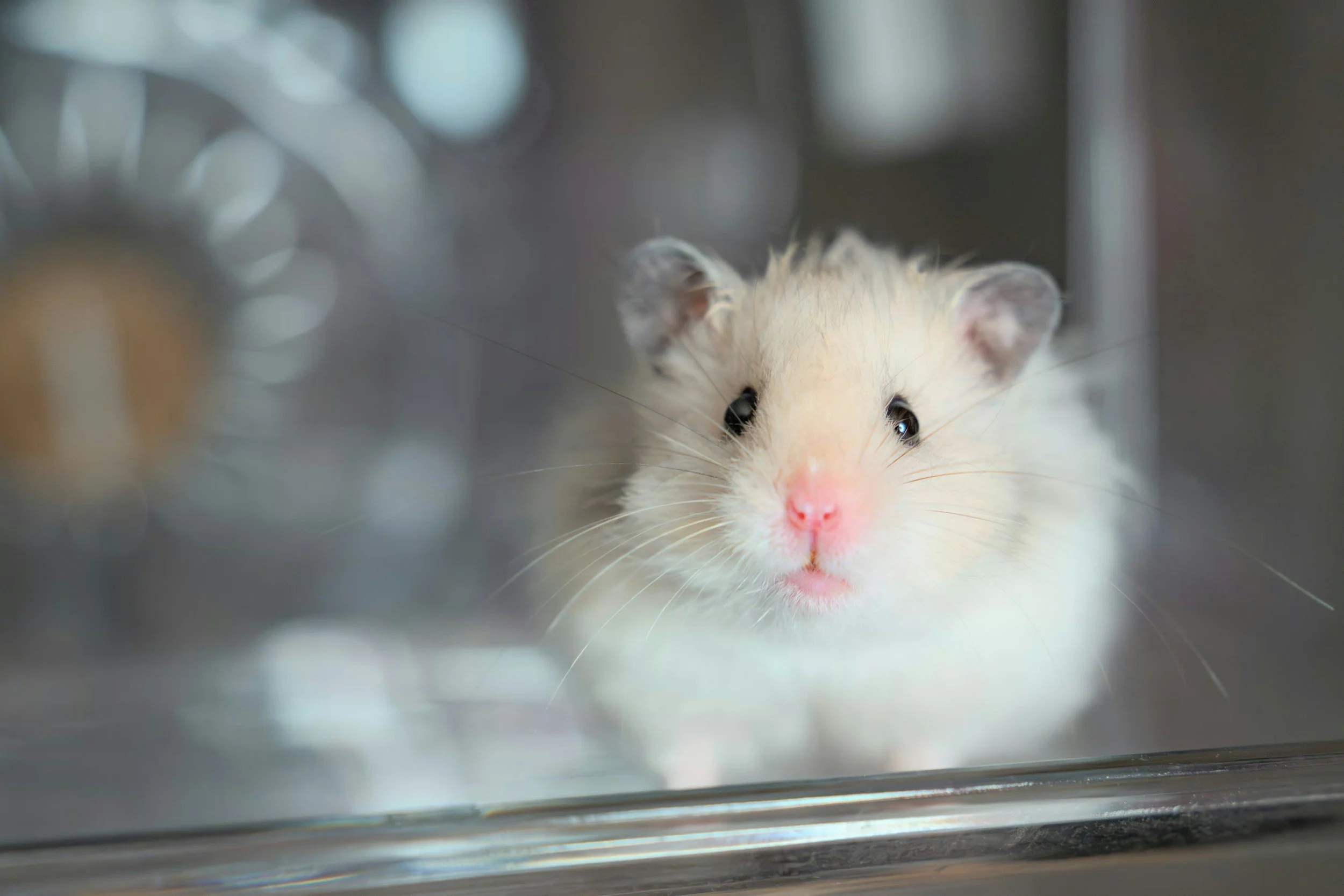
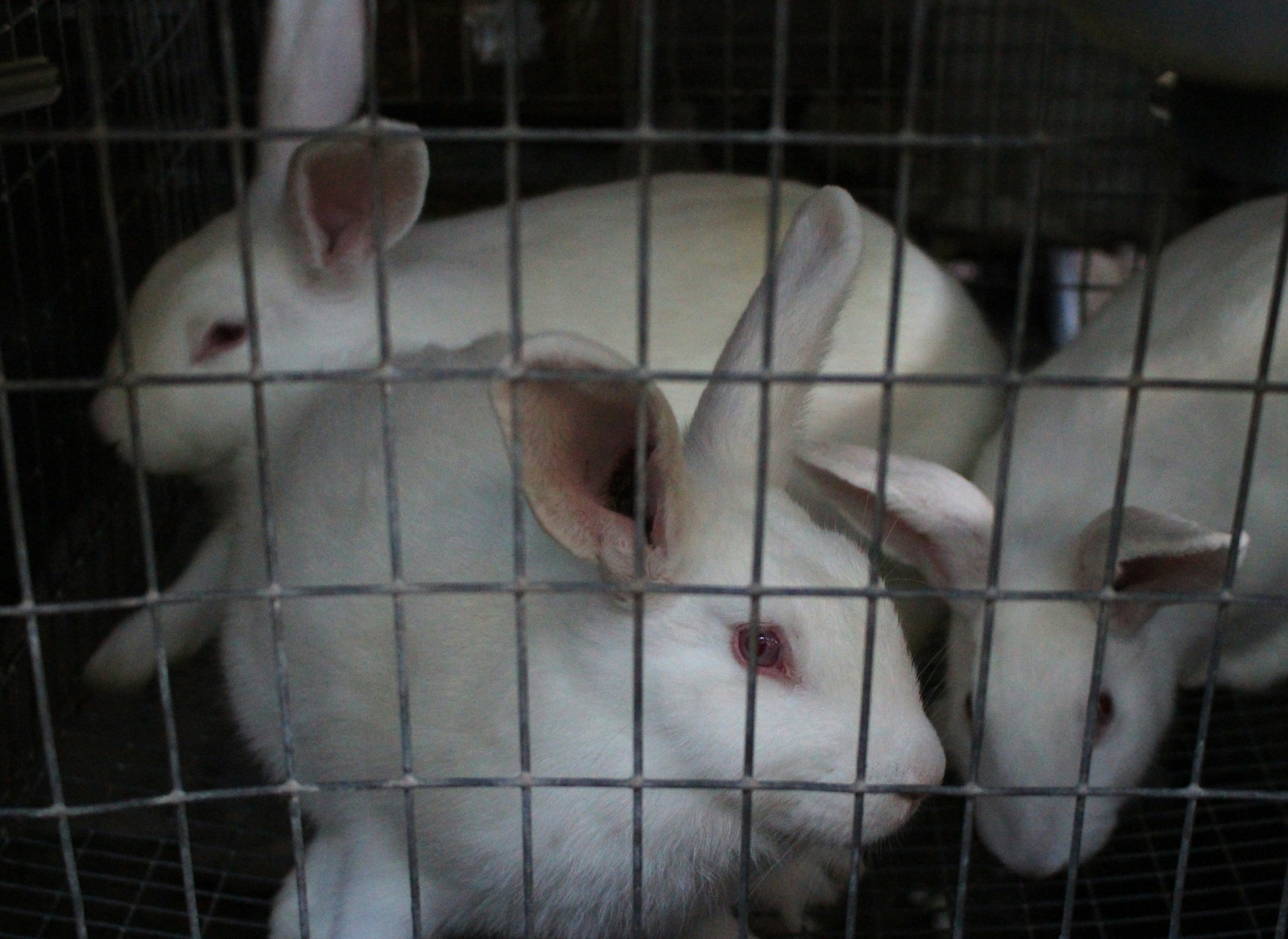
Medical and scientific research
Animals used in research may experience:
Procedures that cause pain, discomfort, or distress
Confinement within laboratory environments
Restriction on natural behaviours and social interactions
Repeated handling, testing, or interventions
Euthanasia at the conclusion of studies
Product testing
Animals may be used to assess the safety of certain products, which can involve:
Exposure to substances being tested
Monitoring for physical or behavioural reactions
Confinement during testing and observational periods
Procedures designed to measure potential harm or irritation
Welfare impacts associated with repeated testing
Euthanasia after testing to examine internal effects
Procedures that may cause irritation, illness, or distress
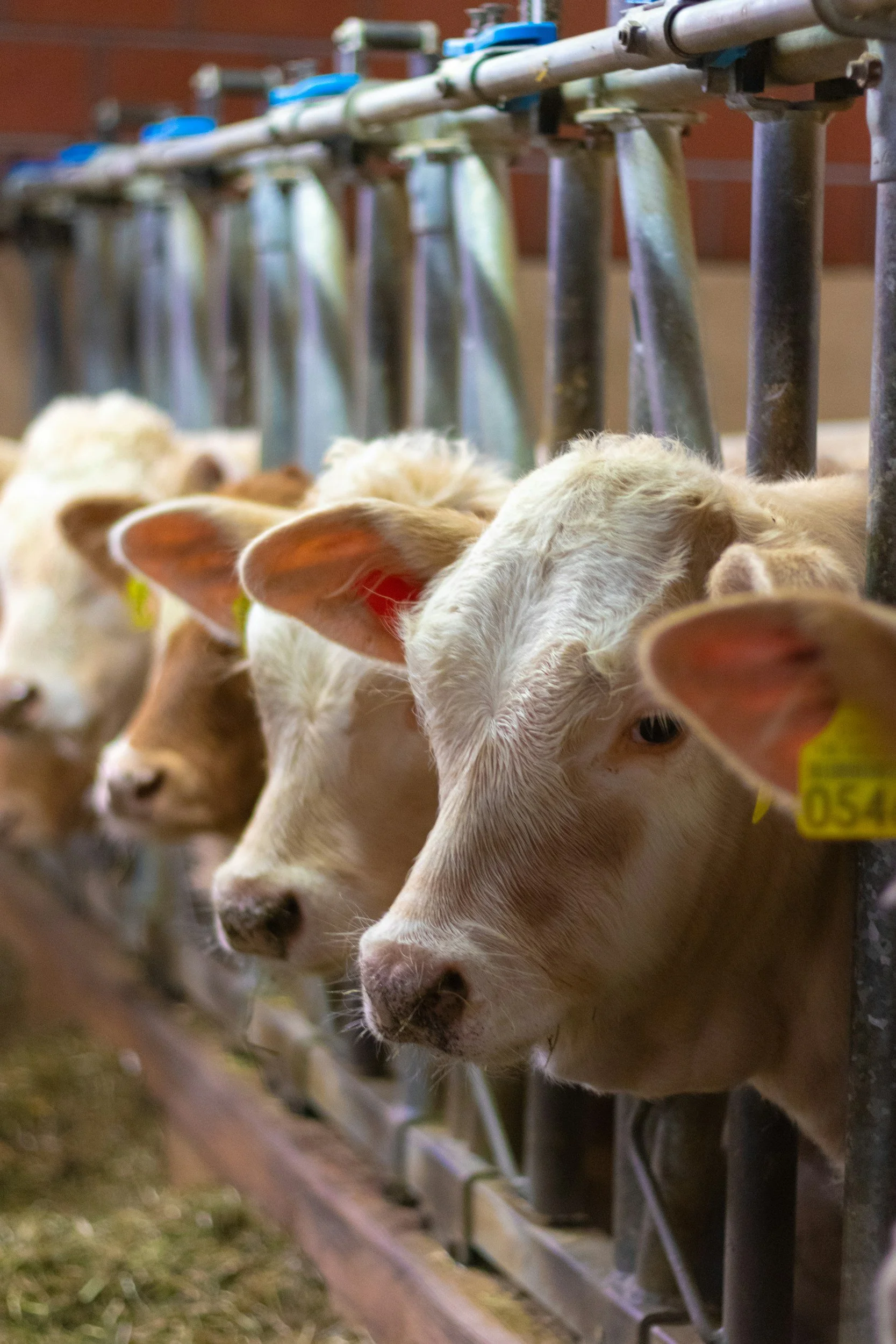
Education and training
Animals used in educational settings may experience:
Use in classroom demonstrations or practical exercises
Handling by students and trainees
Capture and/or confinement within teaching facilities
Procedures carried out for learning purposes
Limited ability to avoid unwanted interactions
Ethical alternatives and reduction efforts
Many organisations and researchers are working to:
Replace animal use with alternative methods where possible
Reduce the number of animals used in research
Refine procedures to minimise suffering
Improve housing, enrichment, and welfare standards
Develop new technologies that reduce reliance on animals
2. Reflect
Consider what this means in relation to your own choices.
How do I feel knowing animals may experience harm or distress in the pursuit of scientific knowledge?
How do I weigh potential human benefits against animal welfare concerns?
Have I considered the role animals have played in medical advances and product development?
What level of animal use, if any, do I consider ethically acceptable?
How important is it to me that alternatives are developed and adopted where possible?
Do I understand enough about this issue to form an informed opinion?
Do my views reflect my broader values around compassion, necessity, and reducing harm?
3. Decide
Consider what steps feel realistic and meaningful for you.
Possible actions:
Learn more about how animals are used in research and education
Explore the ethical arguments from different perspectives
Support the development of alternatives to animal testing
Research company policies regarding animal testing and product development
Choose products certified as not tested on animals where appropriate
Stay informed about advances in non-animal research methods
Discuss the balance between scientific progress and animal welfare with others
Continue reflecting on where you believe ethical boundaries should be drawn
This issue involves complex questions with no simple answers. Awareness can help us engage thoughtfully with the challenges of advancing human knowledge while considering the wellbeing of other sentient beings.