Working Animals and Human Responsibility

1. Identify
Understand the welfare realities faced by animals used for work and the impact these practices can have on their physical and emotional wellbeing.
Working animals
Working animals may experience:
Long hours of labour without adequate rest, food, or water
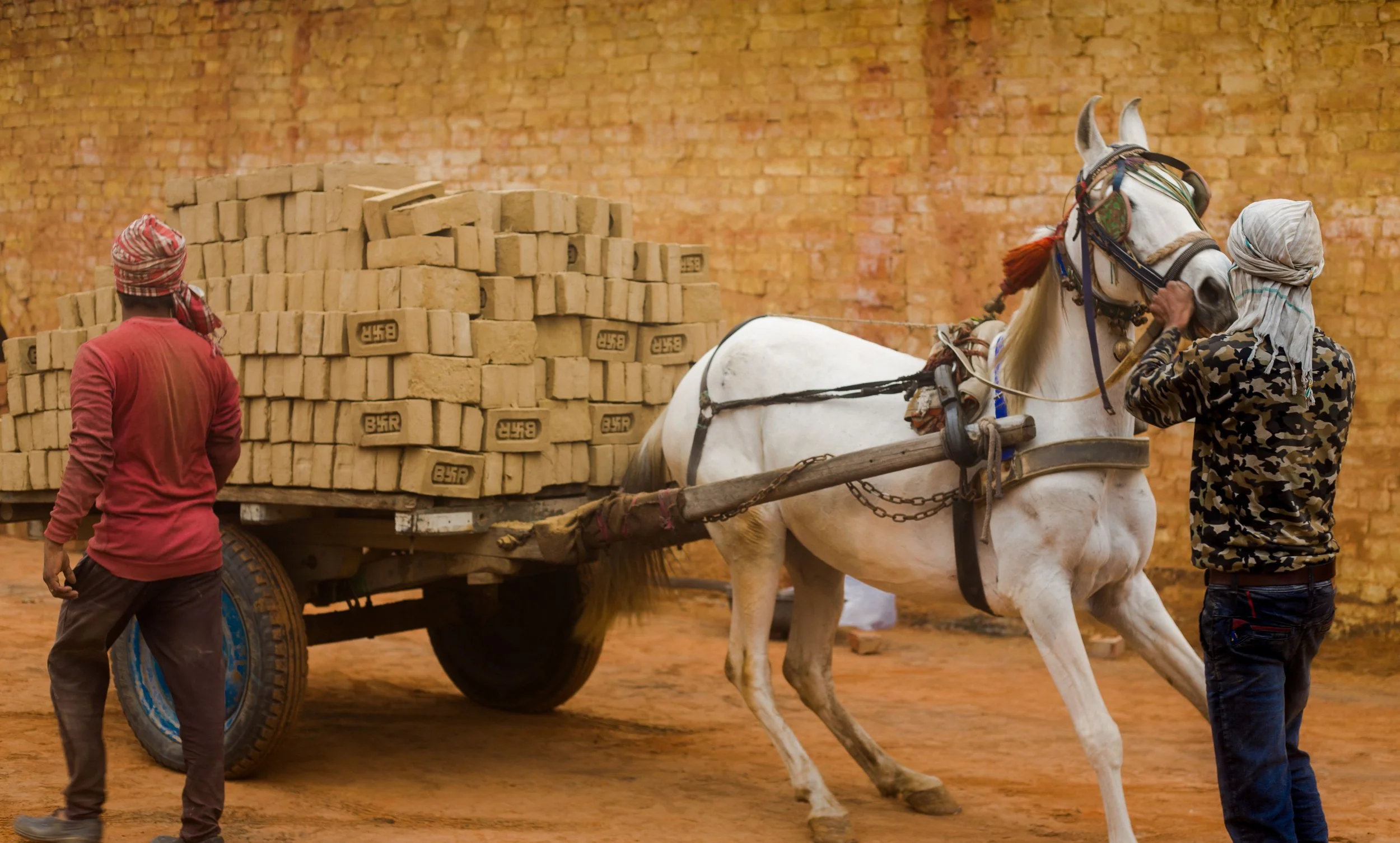
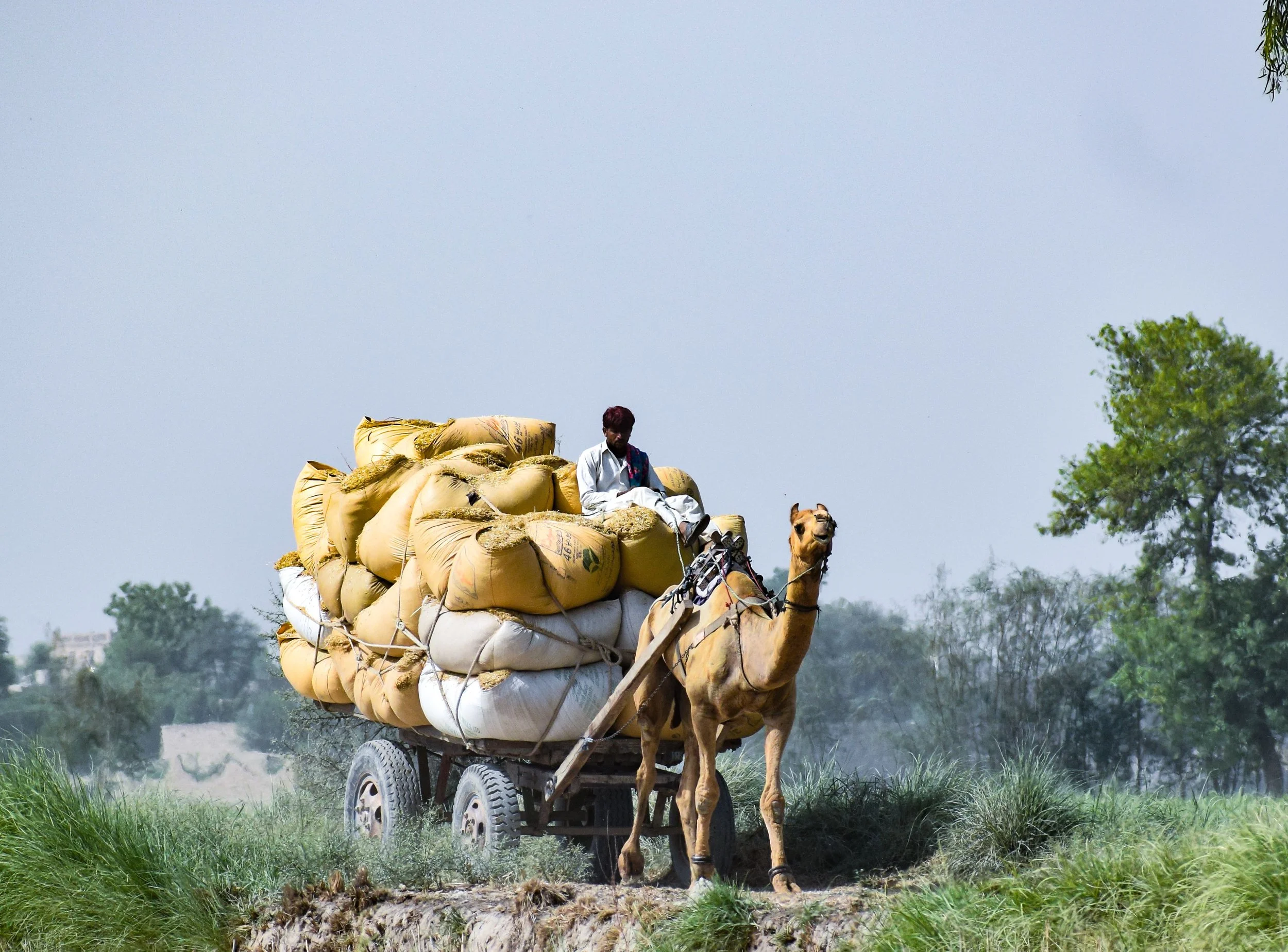
Physical strain from carrying heavy loads, pulling equipment, or performing repetitive tasks
Injuries from poorly fitted harnesses, saddles, or equipment
Exposure to extreme weather conditions without proper shelter
Stress from demanding environments, noise, traffic, or human pressure
Limited opportunities to express natural behaviours or social needs
Training methods that may rely on force, fear, or punishment
Lifelong dependency on humans for all aspects of care, often with inconsistent welfare standards
Examples of working animals
Working animals are used in many contexts around the world, often performing tasks that support transport, agriculture, industry, or tourism.
Examples include:
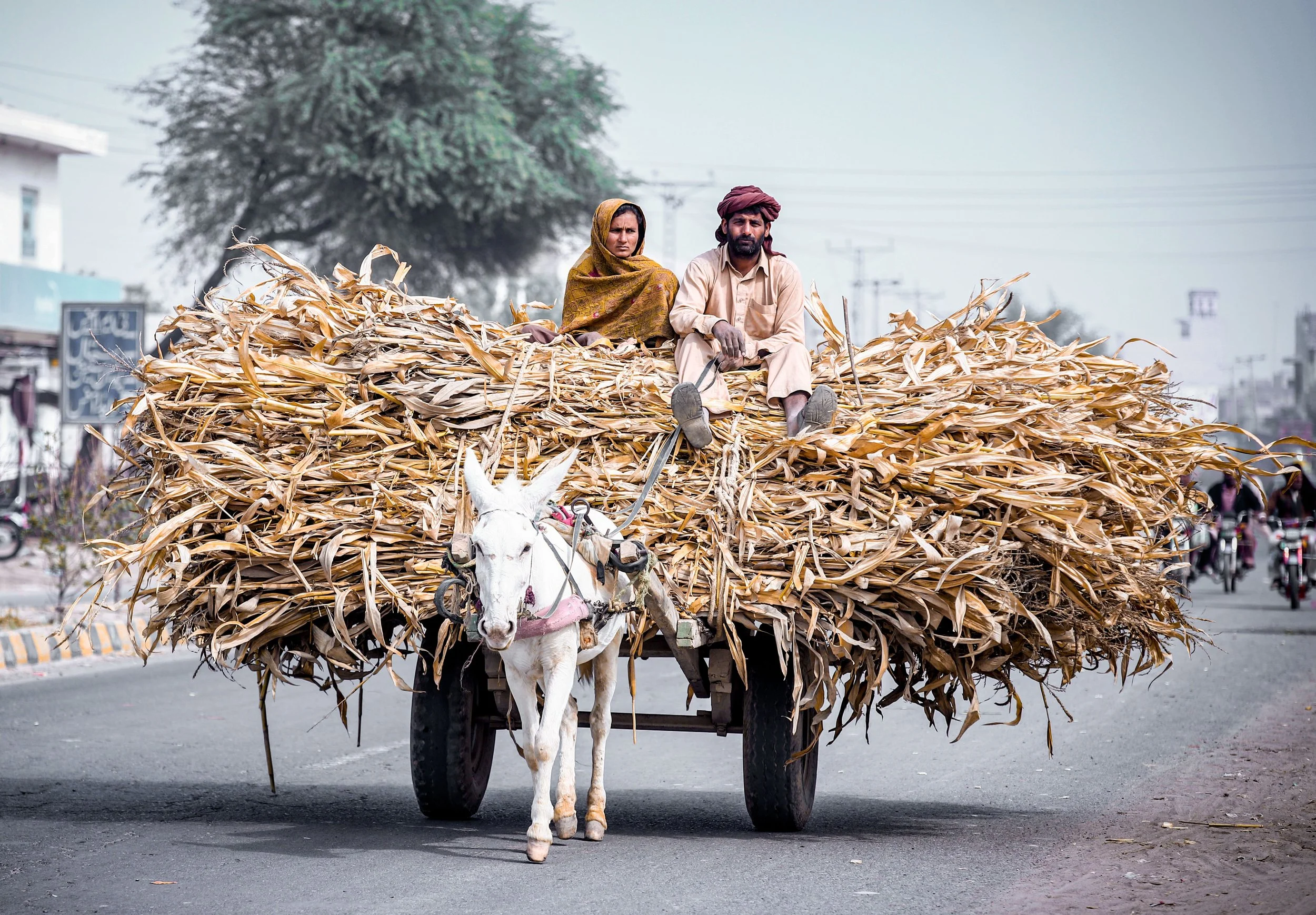
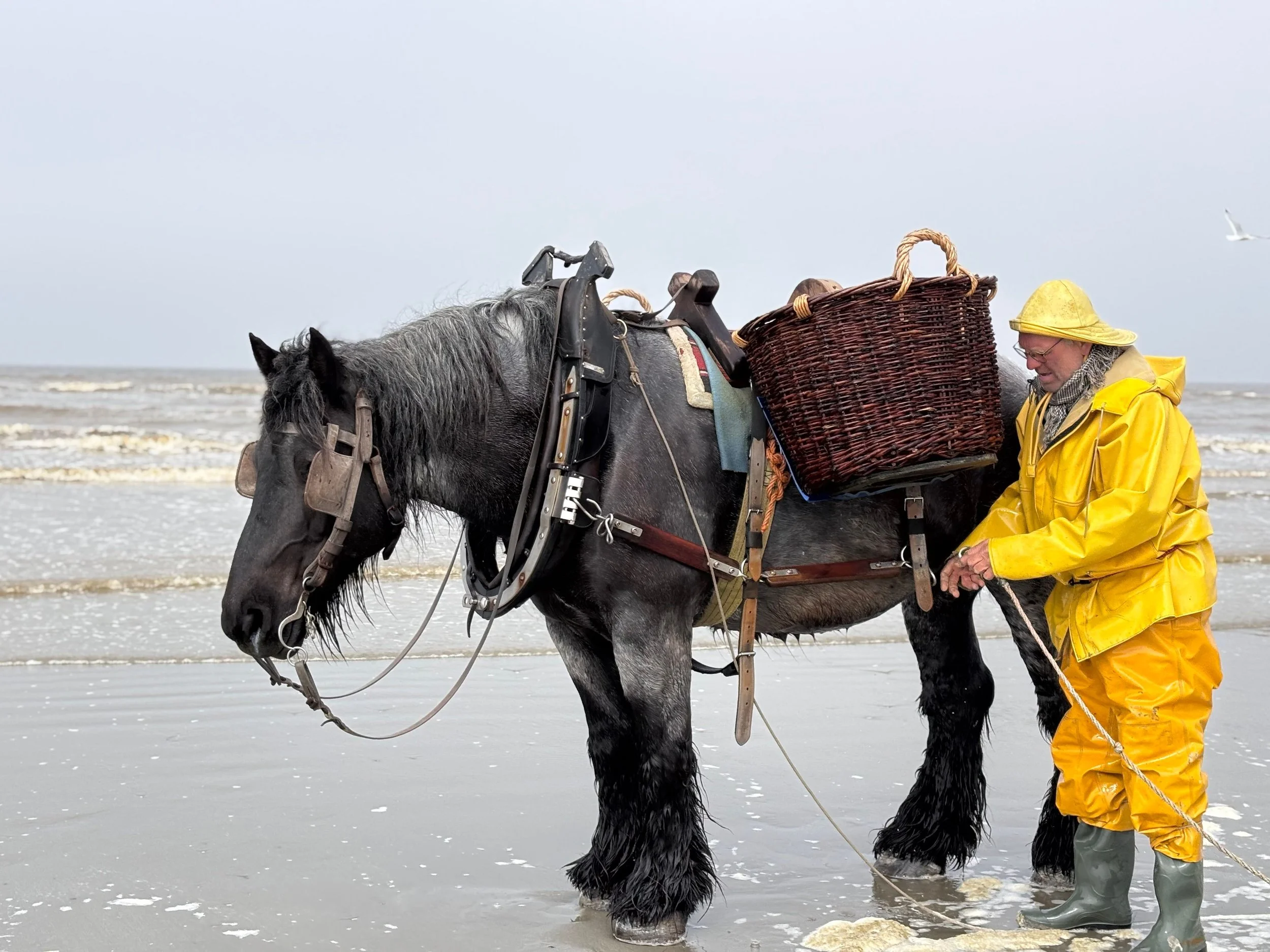
Horses and donkeys used for transport or load‑carrying
Ponies used in beach rides or tourist activities
Oxen, buffalo, and camels used in agriculture or hauling
Dogs used for security, guarding, or detection work
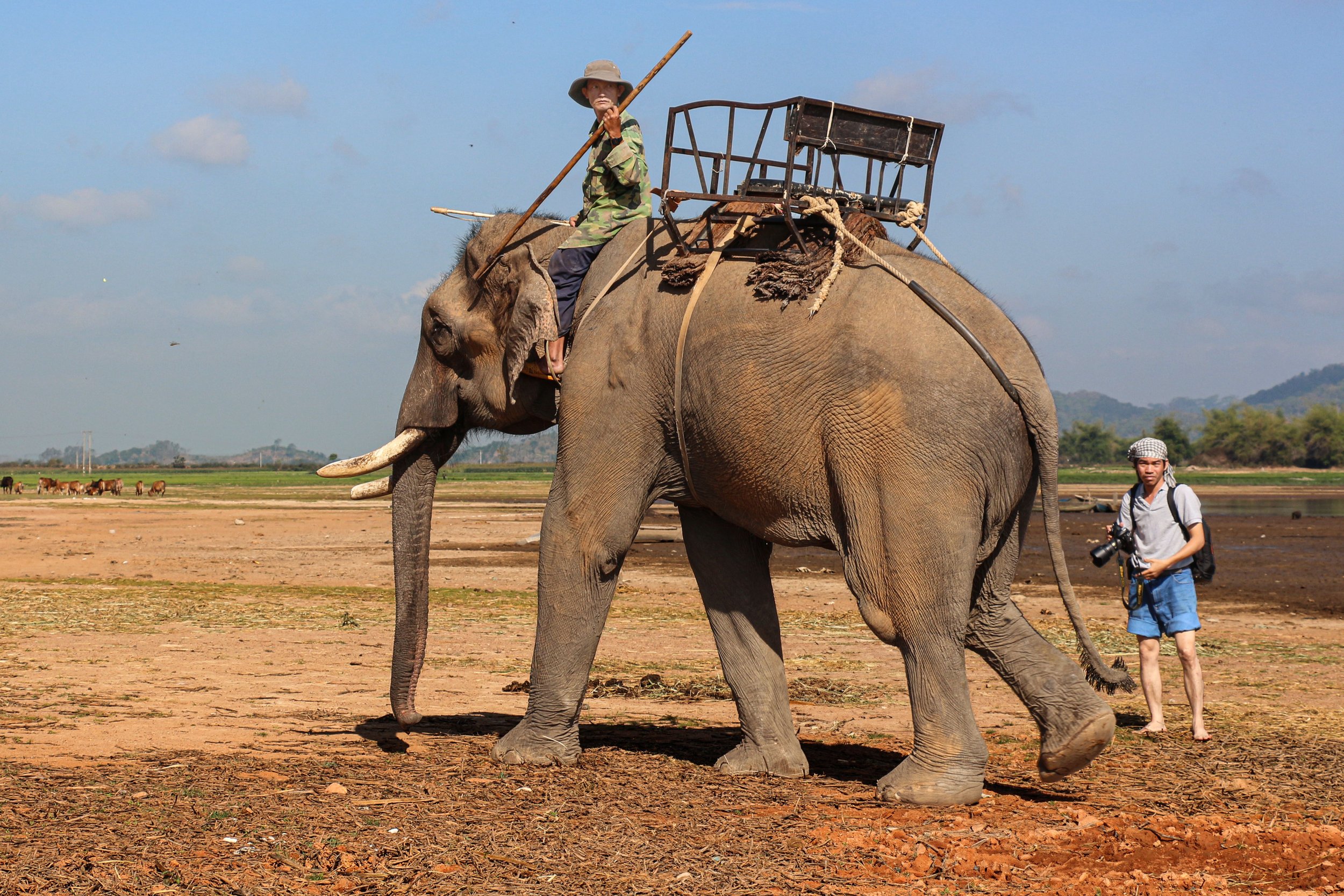
Elephants used for trekking, logging, or tourism rides
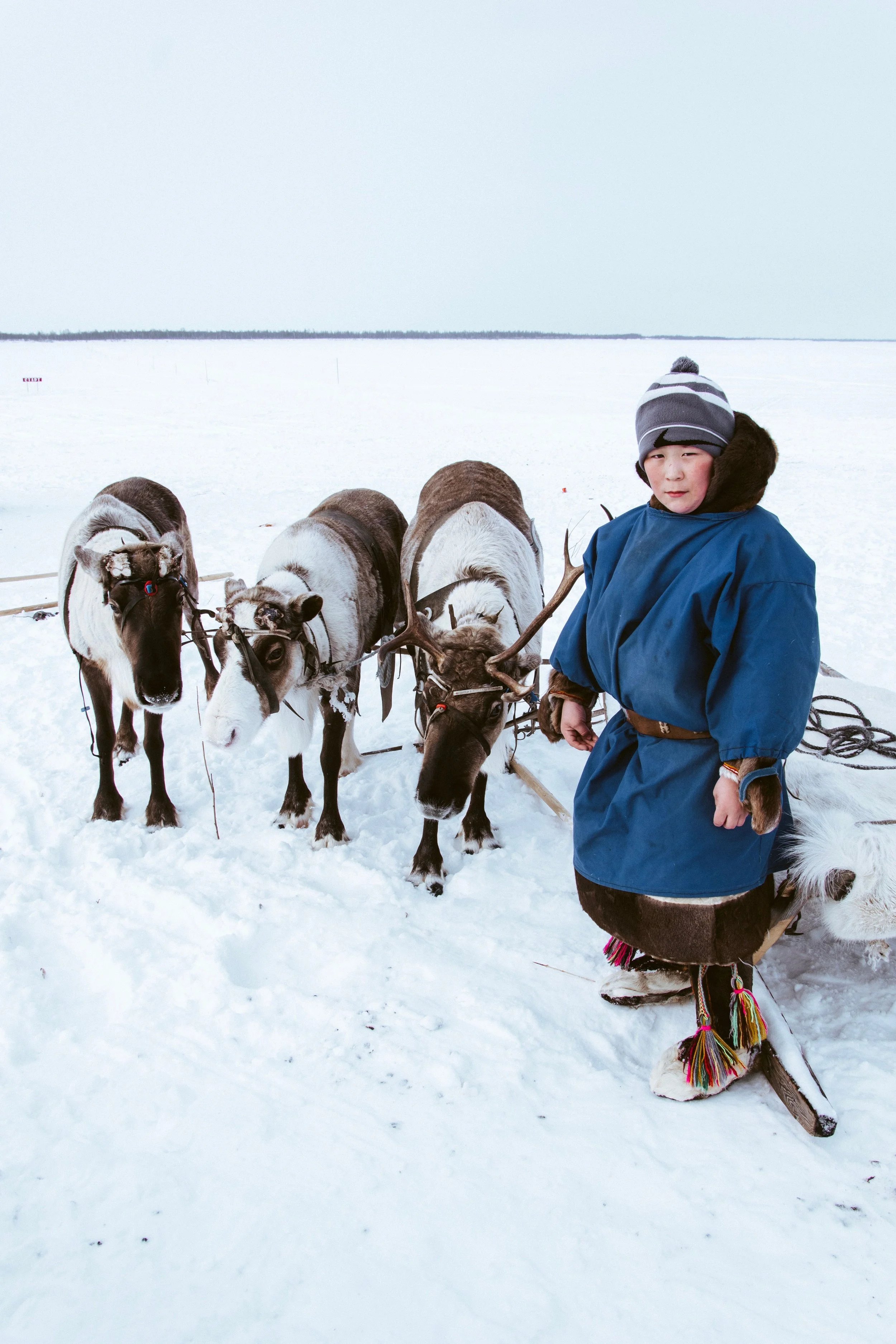
Reindeer used for pulling sleds
Mules used in mountainous transport routes
2. Reflect
Consider what this means in relation to your own views and choices.
How do I feel knowing animals may endure physical strain or discomfort while working?
Have I considered the experience from the animal’s perspective?
Does tradition, culture, or tourism influence how I view the use of working animals?
Can necessity or convenience justify practices that may cause stress, injury, or exhaustion?
Would I feel differently if I witnessed the working conditions firsthand?
Do my beliefs about compassion and respect for animals align with supporting or accepting the use of working animals?
3. Decide
Consider what steps feel realistic and meaningful for you.
Possible actions:
Learn more about the welfare needs and challenges faced by working animals
Choose not to participate in or financially support activities that exploit animals for labour or tourism
Support ethical alternatives such as mechanical transport, responsible tourism, or human‑powered activities
Encourage conversations that promote compassion and respect for animals
Support organisations working to improve welfare standards for working animals
Share accurate information to help others make informed decisions
Reflect on how your choices can contribute to reducing unnecessary animal suffering
Write to local, national, or international organisations, government bodies, or elected representatives to express your concerns about the welfare of working animals